In recent years, environmental regulations have reshaped the transportation and industrial sectors, pushing companies to reduce emissions and improve fuel efficiency. One of the most impactful solutions to meet these standards is Diesel Exhaust Fluid (DEF)—specifically, Blue DEF, a high-quality fluid used in Selective Catalytic Reduction (SCR) systems.
Table of Contents
For diesel-powered engines to comply with the Environmental Protection Agency (EPA) emissions regulations, DEF has become a non-negotiable component. here, we’ll explore the role of Blue DEF, how it supports emissions reduction, and why having the right DEF supplier matters.
What Is Diesel Exhaust Fluid?
Diesel Exhaust Fluid (DEF) is a non-toxic, colorless, and odorless solution made from 67.5% deionized water and 32.5% urea. It is injected into the exhaust stream of diesel engines equipped with SCR technology to break down harmful nitrogen oxide (NOx) emissions into harmless nitrogen and water vapor.
It’s not a fuel or fuel additive—Diesel Exhaust Fluid is an essential emission control fluid stored in a separate tank and never mixed directly with diesel fuel.
What Is Blue DEF?
Blue DEF is a high-purity brand of diesel exhaust fluid widely used across North America. It meets ISO 22241 standards and is manufactured to work with all SCR-equipped engines. Its purity and consistent quality make it a trusted choice for fleets, construction vehicles, and off-road equipment.
Blue DEF ensures optimal performance and compliance while protecting your engine’s emission system. Poor-quality Diesel Exhaust Fluid can cause system malfunctions and costly repairs, which is why using DEF premium options like Blue DEF is critical.
How Blue DEF Helps Reduce Emissions
The main purpose of Blue DEF is to reduce nitrogen oxides (NOx), which are major contributors to air pollution, acid rain, and respiratory issues. When injected into the hot exhaust stream, DEF triggers a chemical reaction in the SCR system:
NOx + Ammonia (from urea) → Nitrogen + Water
This reaction neutralizes harmful gases, ensuring the vehicle meets EPA emission limits. Without DEF, or solutions like crude oil DEF used in heavy-duty sectors, vehicles would fail to meet federal emissions standards and could face penalties or operational restrictions.
Meeting EPA Standards with DEF
Since the implementation of the EPA Tier 4 Final and Euro 6 standards, diesel engines are required to significantly cut NOx and particulate matter emissions. Using DEF is one of the most cost-effective and reliable methods to do so.
Companies in transportation, construction, farming, and industrial sectors are turning to reliable DEF suppliers and bulk DEF delivery services to ensure their fleets stay compliant. Whether you’re operating on-highway or off-road, DEF is now an industry-standard solution for emissions reduction.
Bulk DEF: A Smart Move for Fleets and Industrial Users
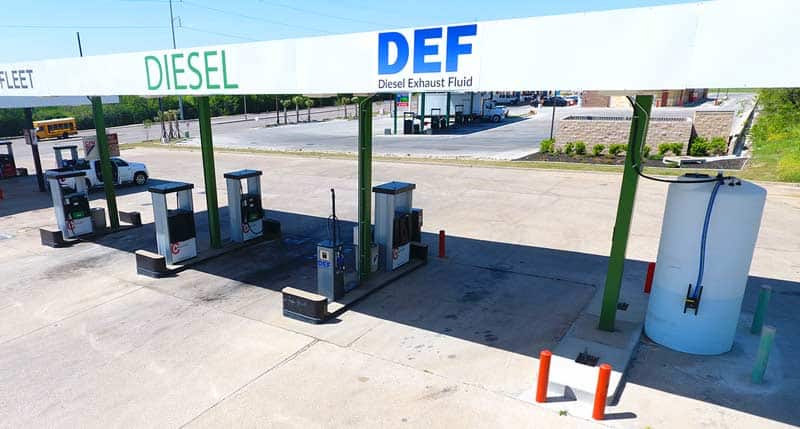
As diesel engine use grows, the demand for bulk DEF also rises. Businesses are investing in bulk diesel exhaust fluid storage and delivery systems to reduce costs, minimize downtime, and ensure uninterrupted compliance.
Benefits of Bulk DEF:
- Lower per-gallon cost compared to small containers
- Convenient on-site refilling for large fleets
- Reduced plastic waste and environmental impact
- Streamlined logistics through bulk DEF suppliers
A reputable bulk oil distributor or DEF supplier can also offer tank monitoring, automatic refills, and inventory tracking to help manage consumption efficiently.
Choosing the Right DEF Supplier
With so many options available, choosing a trustworthy DEF company is critical. A reliable fuel and DEF supplier will not only ensure product quality but also provide value-added services like:
- Bulk DEF and bulk diesel fuel delivery
- Certified DEF storage equipment
- On-site dispensing systems
- Regular quality checks to prevent contamination
- Support for regulatory compliance
Whether you’re looking for a bulk oil supplier, fuel supplier, or gasoline supplier, working with a leading DEF supplier helps protect your engine investments and keeps your operations running smoothly.
DEF Additives: Are They Necessary?
While standard Blue Diesel Exhaust Fluid meets EPA and ISO purity requirements, some products—such as those labeled with DEF additives or crude oil DEF variants—may promise improved performance, freeze protection, or extended shelf life. However, it’s essential to ensure these additives do not compromise the fluid’s purity or damage the SCR system.
In most cases, high-quality, certified diesel exhaust fluid like Blue DEF performs optimally without the need for additional additives.
FAQs:
Is Blue DEF different from regular DEF?
Blue DEF is a brand of high-purity diesel exhaust fluid that meets all EPA and ISO requirements. Its consistency and reliability make it a trusted choice for SCR-equipped vehicles.
Can I use any DEF in my diesel vehicle?
Only use DEF that meets ISO 22241 standards. Always check your vehicle’s manual and avoid off-brand or contaminated products.
What happens if I run out of DEF?
If your vehicle runs out of DEF, it may enter a reduced power mode or fail to start, depending on its EPA-compliant system. Always monitor DEF levels and refill as needed.
Does DEF freeze in cold weather?
Yes, DEF freezes at around 12°F (-11°C). However, modern vehicles have DEF tank heaters, and thawing doesn’t damage the fluid’s effectiveness.
How long does DEF last?
Unopened DEF can last up to two years if stored properly. Once opened, it should be used within 12 months and stored away from direct sunlight and extreme heat.
Conclusion
Diesel exhaust fluid, particularly high-quality brands like Blue DEF, plays a crucial role in helping industries meet EPA emission standards. By reducing harmful NOx emissions and supporting cleaner engine operation, DEF contributes to both environmental responsibility and regulatory compliance.
Whether you operate a small fleet or a large industrial facility, investing in reliable bulk DEF, partnering with a trusted DEF supplier, and using compliant products like Blue DEF will ensure smooth operations and long-term savings.
As EPA regulations become stricter, businesses that prioritize emission control and efficient fuel management will lead the way in sustainability and performance.