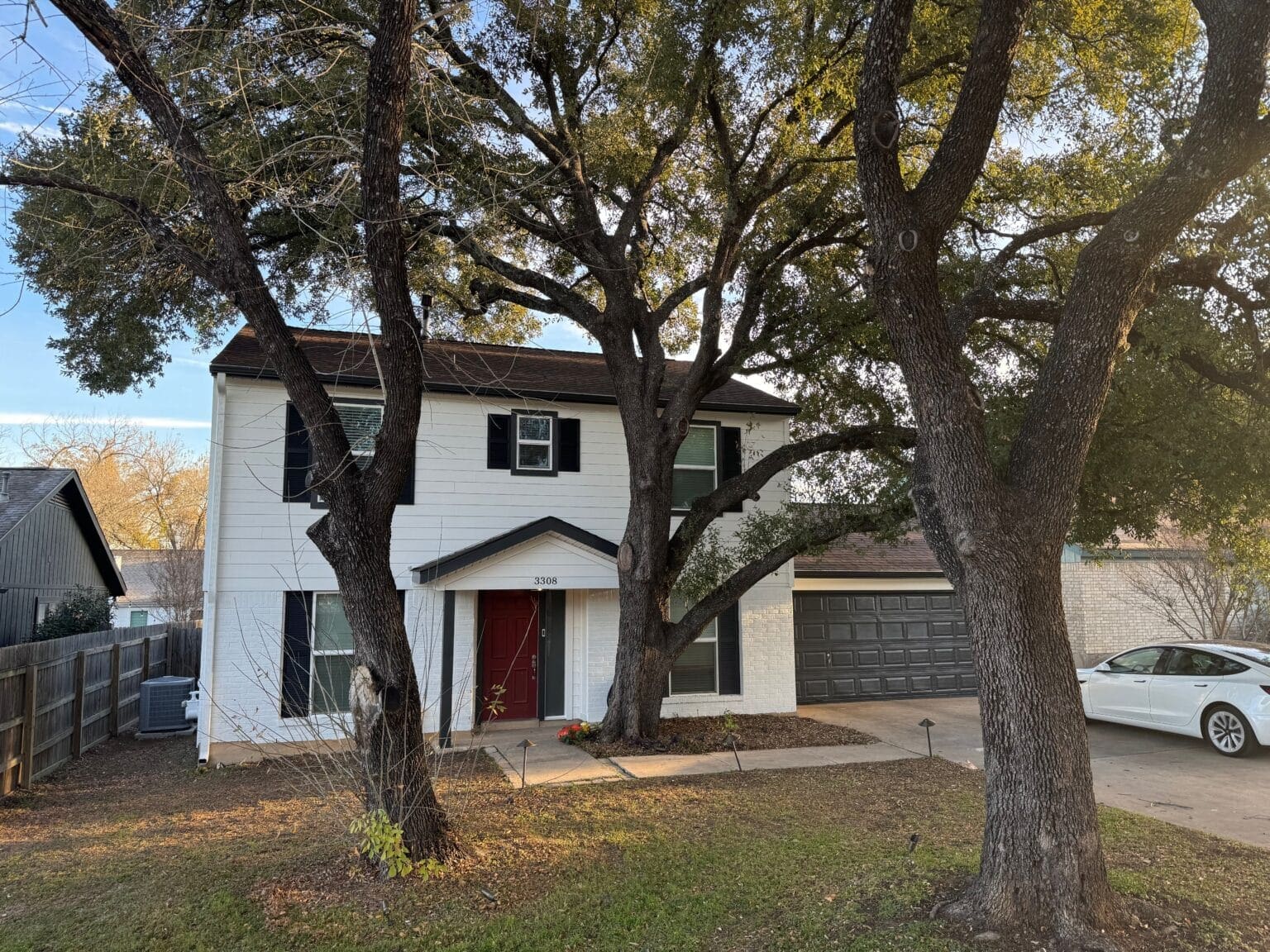
A home’s siding does more than improve curb appeal. It protects the structure from strong sunlight, rain, wind, moisture, insects, and changing temperatures. Cracked, warped, loose, or aging panels may leave the materials underneath exposed to damage. Planning a siding installation in Austin requires careful decisions about materials, cost, color, maintenance, timing, and contractor experience. This guide helps Austin homeowners understand the process, recognize warning signs, and prepare for an Austin siding installation.
Table of Contents
- What Is Siding Installation?
- Signs That a Home May Need New Siding
- Choosing an Appropriate Siding Material
- Understanding Austin’s Climate and Exterior Needs
- What Happens During the Installation Process?
- Factors That Affect Siding Replacement Cost
- How to Evaluate a Siding Contractor
- Preparing the Property for Installation
- Maintenance After Installation
- Frequently Asked Questions
- How long does a typical siding project take?
- Can new siding be installed over old siding?
- Is fiber cement appropriate for Austin homes?
- Should windows be replaced at the same time as siding?
- How should homeowners compare estimates?
- Does new siding improve energy efficiency?
- When is the best time to schedule installation?
- Frequently Asked Questions
- Conclusion
What Is Siding Installation?
Siding installation involves attaching protective exterior materials to a home through a carefully planned process. Depending on the property’s condition a siding installation in Austin, TX, may involve removing old panels, inspecting the wall system, repairing damaged areas, adding a weather-resistant barrier and flashing, and securely fitting the new siding.
The exact procedure depends on the selected material, the home’s construction, and local building requirements. Proper measurements and careful installation are essential because even a high-quality product may perform poorly if installed incorrectly.
Professional siding installation in Austin services should account for local weather conditions, wall exposure, architectural details, and manufacturer instructions. These factors influence how well the finished exterior manages moisture and withstands long-term exposure.
Signs That a Home May Need New Siding
Exterior damage is not always immediately visible. Some problems develop slowly and may be mistaken for normal aging. Homeowners should inspect their siding periodically and arrange a professional evaluation when they notice warning signs.
Common indications that replacement may be necessary include:
- Cracks, holes, or missing siding sections
- Boards that appear warped, loose, or swollen
- Rot or soft areas near the bottom of exterior walls
- Peeling paint or repeated paint failure
- Mold, mildew, or unexplained staining
- Gaps around doors, windows, and utility openings
- Insect damage beneath or behind the siding
- Interior moisture marks near exterior walls
- Frequent repairs that no longer provide lasting results
A few isolated defects may be repairable. Widespread deterioration, recurring moisture problems, or significant age may make home siding replacement more practical than continuing with temporary repairs.
Choosing an Appropriate Siding Material
No single siding product is right for every property. Homeowners should compare appearance, durability, maintenance requirements, climate suitability, warranty terms, and total project cost.
Fiber Cement Siding
Fiber cement is made from a combination of cement, sand, and cellulose fibers. It can provide the appearance of traditional wood while offering resistance to rot, pests, and many weather-related concerns.
James Hardie fiber cement siding is one of the options provided by Genuine Texas Exteriors. Available profiles and finishes can complement traditional, contemporary, farmhouse, and other architectural styles. Installation should follow the manufacturer’s requirements for clearances, fastening, flashing, and finishing.
Vinyl Siding
Vinyl is available in many colors and profiles and generally requires limited routine maintenance. It does not need repainting like some other materials. However, homeowners should consider product quality, panel thickness, installation methods, and heat exposure before making a decision.
Engineered Wood Siding
Engineered wood products are manufactured to provide a natural wood-like appearance with greater consistency than some traditional boards. They can suit homeowners seeking warmth and texture, but correct sealing and moisture management remain important.
Traditional Wood Siding
Wood offers a distinctive appearance and can be painted or stained in many colors. However, it generally requires more maintenance to protect it from moisture, pests, and sun exposure. When comparing materials, include the ongoing cost of painting, sealing, and repairs.
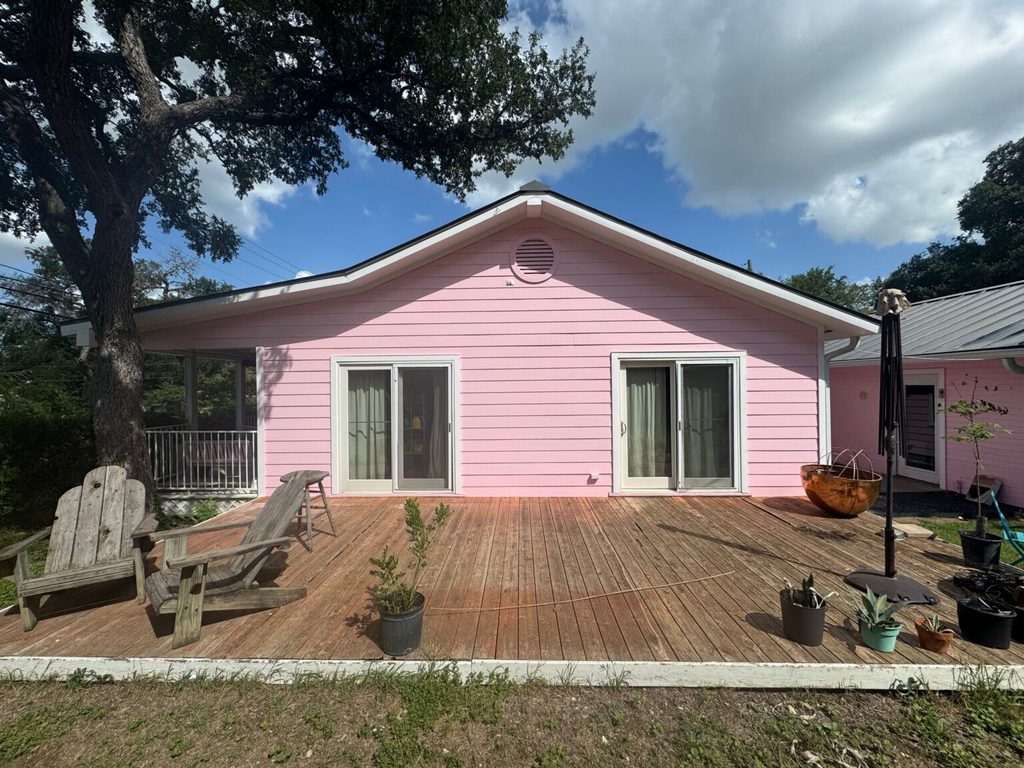
Understanding Austin’s Climate and Exterior Needs
Austin homes experience strong sunlight, high temperatures, seasonal storms, humidity, and occasional freezing conditions. These changes can stress exterior materials throughout the year.
Material selection should therefore consider more than appearance. Dimensional stability, moisture resistance, impact performance, finish quality, and maintenance requirements all matter. Darker colors may absorb more heat, while poorly installed joints or flashing can allow water to enter the wall assembly.
An experienced siding contractor in Austin, TX, should explain how the proposed product and installation method address these local conditions. The explanation should be specific to the property, not broad sales claims.
What Happens During the Installation Process?
Although project details vary, a professional installation generally follows a structured sequence.
1. Property Evaluation and Measurements
The contractor examines the existing exterior, identifies visible damage, measures wall areas, and notes windows, doors, corners, rooflines, utility connections, and other details. Accurate measurements help determine material quantities and reduce unnecessary waste.
2. Written Project Scope
A detailed proposal should identify the material, profile, color, estimated quantity, removal work, repairs, trim, finishing, cleanup, warranties, and payment schedule. Austin Homeowners should ask whether permits, disposal, painting, and hidden damage are included.
3. Removal of Existing Materials
Old siding may need to be removed to expose the wall beneath it. This allows the installation team to inspect the sheathing, framing, and moisture barrier. Covering severely damaged siding without investigating the underlying condition can leave important problems unresolved.
4. Wall Inspection and Repairs
Once the exterior is uncovered, the contractor can look for rot, insect activity, loose sheathing, water damage, and other concerns. Any discovered issues should be documented and explained before additional work proceeds.
5. Moisture Management
A weather-resistant barrier and properly integrated flashing help direct water away from vulnerable areas. Windows, doors, wall penetrations, horizontal transitions, and roof-to-wall connections require particular attention.
6. Siding and Trim Installation
The selected siding is cut, positioned, fastened, and finished according to the product requirements. Installers must maintain appropriate spacing and clearances so the material can perform as intended.
7. Cleanup and Final Inspection
The final stage should include debris removal, a visual inspection, and a walkthrough with the homeowner. The contractor should explain maintenance requirements and provide relevant warranty documentation.
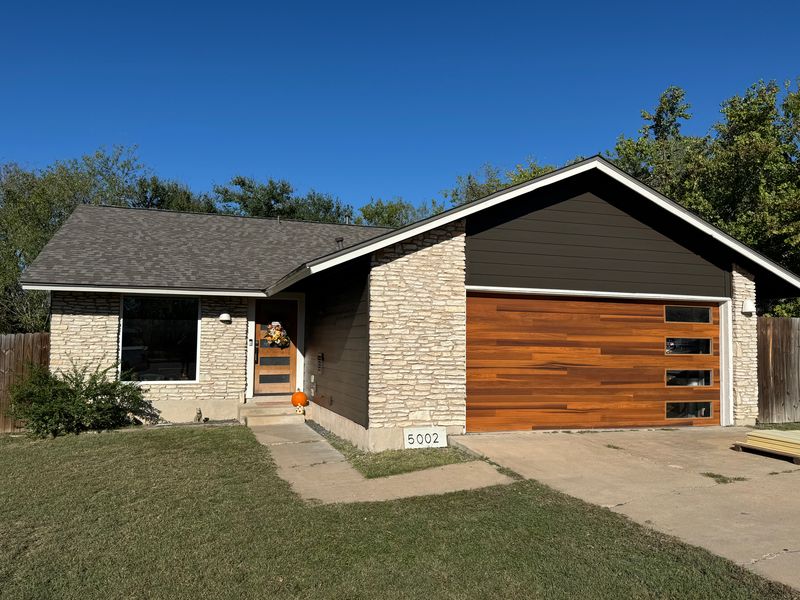
Factors That Affect Siding Replacement Cost
The cost of a project cannot be determined accurately from square footage alone. Several property-specific factors influence the final estimate:
- Total wall area and number of stories
- Selected siding material and finish
- Removal and disposal requirements
- Condition of sheathing or framing
- Number of windows, doors, corners, and architectural details
- Scaffolding or access requirements
- Trim, soffit, fascia, and painting needs
- Permit requirements
- Labor complexity
- Manufacturer and workmanship warranty coverage
A reputable siding replacement company in Austin should provide a written estimate explaining what is and is not included. Comparing only the total price can be misleading when contractors propose different materials, repair allowances, or scopes of work.
How to Evaluate a Siding Contractor
Contractor selection can have as much influence on the outcome as the chosen material. Before signing an agreement, homeowners should review the contractor’s qualifications and project process.
Ask prospective contractors to provide:
- Proof of appropriate insurance
- Information about local experience
- A written and itemized proposal
- Product and workmanship warranty details
- An estimated start date and project duration
- Cleanup and disposal procedures
- Recent examples of comparable projects
- Manufacturer training or certification information, when relevant
When interviewing a siding contractor in Austin, TX, homeowners should also ask who will supervise the project and how they will document questions or changes. Clear communication can reduce confusion once work begins.
Preparing the Property for Installation
A little preparation can help the project proceed more smoothly. Before the crew arrives, homeowners can:
- Move vehicles away from the work area
- Remove outdoor furniture, decorations, and grills
- Trim plants that block access to exterior walls
- Take down fragile items from interior walls
- Identify sprinkler heads and underground features
- Keep children and pets away from active work zones
- Confirm access to gates, driveways, and electrical outlets
- Discuss satellite dishes, cameras, lighting, and utility fixtures
Siding work can create vibration, noise, dust, and falling debris. Homeowners should follow the contractor’s safety directions and avoid entering marked work areas.
Maintenance After Installation
Maintenance needs vary by product, but every exterior benefits from routine observation. Walk around the property at least once or twice a year and after major storms. Look for loose boards, damaged caulk, impact marks, staining, or gaps around penetrations.
Keep gutters functioning, direct irrigation away from exterior walls, and prevent soil or mulch from building up against the siding. When cleaning is required, follow the manufacturer’s instructions. Excessive pressure or aggressive chemicals may damage some finishes.
A completed home siding replacement should also include warranty and care documents. Store these materials with the contract, final invoice, color information, and photographs for future reference.
Frequently Asked Questions
How long does a typical siding project take?
Project duration depends on the home’s size, number of stories, material, weather, repair needs, and painting requirements. A contractor should provide a property-specific schedule after evaluating the full scope. Unexpected structural damage or severe weather may extend that timeline.
Can new siding be installed over old siding?
It may be possible in limited situations, but it is not always advisable. Removing existing material allows the wall beneath it to be inspected for moisture damage, rot, pests, or structural concerns. The contractor should explain the benefits and risks before recommending either approach.
Is fiber cement appropriate for Austin homes?
Fiber cement is frequently considered because it offers resistance to rot, pests, and changing weather conditions. Suitability still depends on the home, budget, architectural goals, and installation quality. Homeowners should review product specifications and warranty requirements before selecting it.
Should windows be replaced at the same time as siding?
Coordinating the projects can make it easier to integrate window flashing and exterior trim correctly. However, replacing functional windows may not be necessary. A qualified professional can inspect both systems and explain whether completing the work together provides a practical benefit.
How should homeowners compare estimates?
Compare material specifications, removal work, moisture protection, repairs, trim, paint, cleanup, warranties, permits, and payment terms. A lower estimate may exclude work included in another proposal. Request clarification for allowances or terms that are unclear.
Does new siding improve energy efficiency?
New siding may support overall exterior performance, particularly when damaged materials, air gaps, or moisture problems are addressed. However, siding alone does not guarantee a specific reduction in utility costs. Insulation levels, windows, air sealing, HVAC performance, and household habits also affect energy use.
When is the best time to schedule installation?
Work can be scheduled during different seasons, but temperature, rain, product requirements, and contractor availability may affect timing. Planning early provides more flexibility for material ordering, color selection, permitting, and weather-related adjustments.
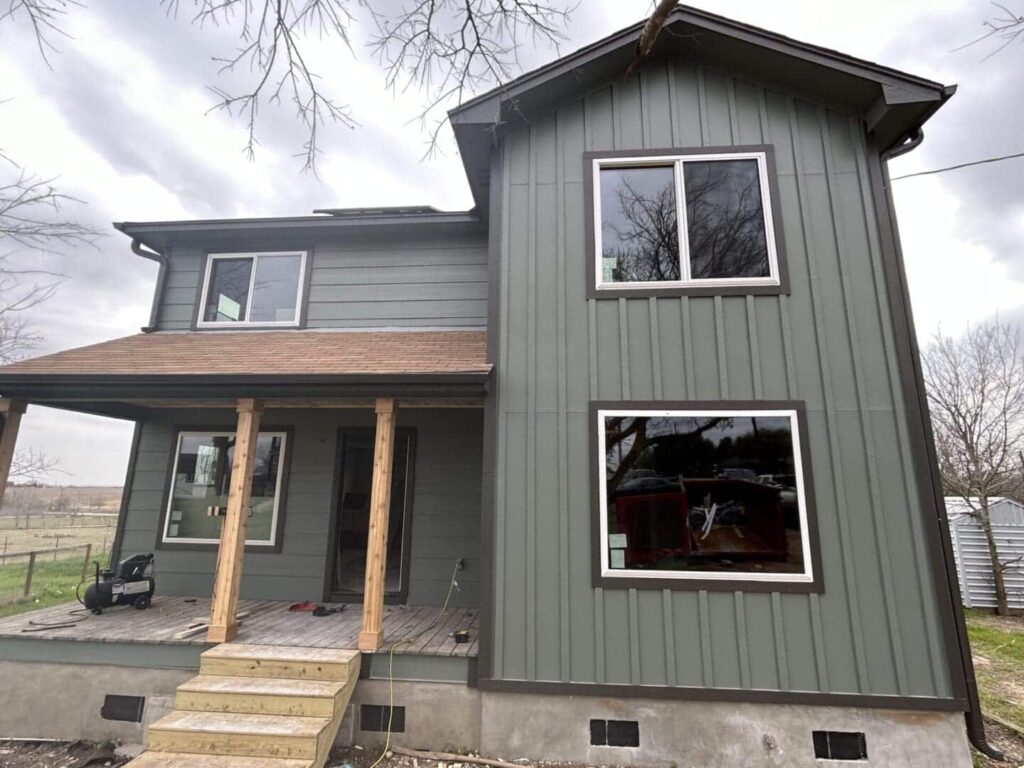
Conclusion
A successful siding installation begins with a careful property evaluation and a clearly defined scope of work. Homeowners should compare materials based on local conditions, understand how moisture will be managed, review written estimates, and verify contractor qualifications before committing to a project.
The best decision is not necessarily the least expensive or most visually appealing option. It is the solution that balances durability, maintenance requirements, installation quality, architectural compatibility, and long-term value. Homeowners considering siding installation in Austin can contact Genuine Texas Exteriors to discuss James Hardie fiber cement siding and receive information relevant to their property.
Planning a siding project? Get directions to Genuine Texas Exteriors and speak with the team about siding options suited to the property.