
As we move into 2025, the lubricants market is undergoing rapid transformation. Technological innovation, changing environmental regulations, and shifts in global demand are reshaping how manufacturers, distributors, and end users approach lubrication. For businesses relying on high performance lubricants or sourcing bulk lubricants, staying ahead of these trends is essential to remain competitive and compliant.
Table of Contents
- 1. Rising Demand for High Performance Lubricants
- 2. Sustainability and Biodegradable Lubricants
- 3. Growth in Bulk Lubricants and On-Site Delivery
- 4. Digitalization and Smart Monitoring
- 5. Regional Shifts in Lubricant Demand
- 6. Evolving OEM and Regulatory Requirements
- FAQs: Lubricant Market Trends and Best Practices
- To Summarize:
Let’s explore the top lubricant market trends in 2025, what they mean for buyers and distributors, and how to prepare for a smarter, more sustainable future in lubrication.
1. Rising Demand for High Performance Lubricants
One of the most significant trends in 2025 is the growing demand for high performance lubricants. Industries such as automotive, aerospace, manufacturing, and heavy equipment are pushing equipment to higher tolerances, speeds, and loads. This puts pressure on lubricants to perform under extreme conditions.
Key factors driving this trend:
- Longer equipment lifespans require consistent lubrication quality.
- Higher fuel efficiency standards demand better thermal stability and oxidation resistance.
- Increased automation and precision machining requiring clean, low-residue lubrication.
What this means for buyers and distributors:
Invest in products that offer proven high-temperature resistance, anti-wear protection, and longer drain intervals. Expect OEMs and large buyers to shift preferences toward synthetic and semi-synthetic high performance lubricants.
2. Sustainability and Biodegradable Lubricants
Sustainability is no longer optional. Governments and global corporations are setting aggressive carbon neutrality and waste reduction targets. As a result, eco-friendly lubricants and biodegradable formulations are gaining ground.
Expect to see:
- Stricter regulations on emissions and lubricant disposal.
- Greater demand for plant-based and biodegradable base oils.
- End-users demanding data on environmental impact.
Actionable insight:
Distributors should stock certified biodegradable and low-toxicity lubricants to serve eco-conscious clients. Buyers should look for lubricants with certifications like EAL (Environmentally Acceptable Lubricants) or EU Ecolabel.
3. Growth in Bulk Lubricants and On-Site Delivery
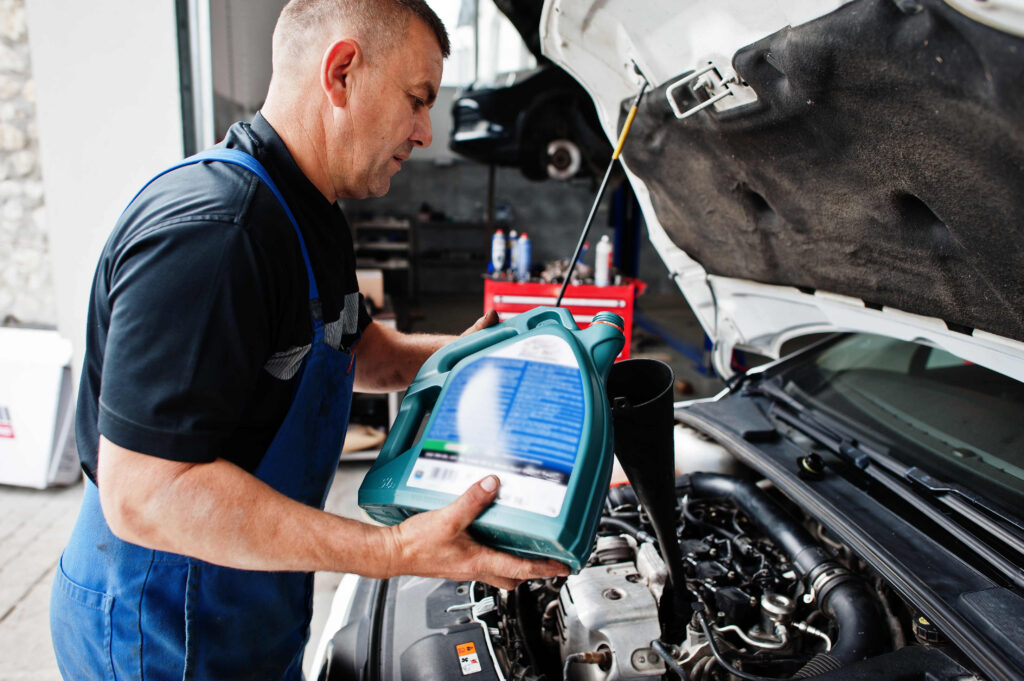
The demand for bulk lubricants is accelerating, especially in construction, mining, agriculture, and large-scale manufacturing. With rising fuel and logistics costs, companies are moving away from packaged lubricants to bulk solutions that offer:
- Lower cost-per-liter
- Reduced packaging waste
- On-site dispensing convenience
- Improved inventory control
Trends to watch:
- Increase in mobile bulk delivery services and remote tank monitoring.
- Demand for custom blending and private label bulk lubricants.
Tip for distributors:
Offer flexible tank setups and GPS-enabled delivery services. Buyers should prioritize suppliers with just-in-time bulk delivery capabilities.
4. Digitalization and Smart Monitoring
Smart technology is transforming how lubricants are managed. In 2025, expect a surge in condition-based monitoring, IoT-enabled lubrication systems, and predictive maintenance tools.
These innovations help:
- Monitor lubricant degradation in real time.
- Reduce unexpected equipment failures.
- Extend lubricant life through optimal change intervals.
Implication for stakeholders:
Buyers should explore equipment that integrates with smart lube systems. Distributors can add value by offering digital support, data analysis, and inventory alerts based on real-time usage.
5. Regional Shifts in Lubricant Demand
The lubricants market is shifting geographically. While North America and Western Europe remain strong, Asia-Pacific, the Middle East, and parts of Africa are experiencing faster demand growth, especially for industrial lubricants and automotive applications.
Growth sectors include:
- Urban infrastructure development (construction)
- Energy production and refining in the Middle East
Opportunity:
Distributors looking to expand globally should focus on these emerging markets. Buyers in these regions should prepare for greater availability of premium high performance lubricants.
6. Evolving OEM and Regulatory Requirements
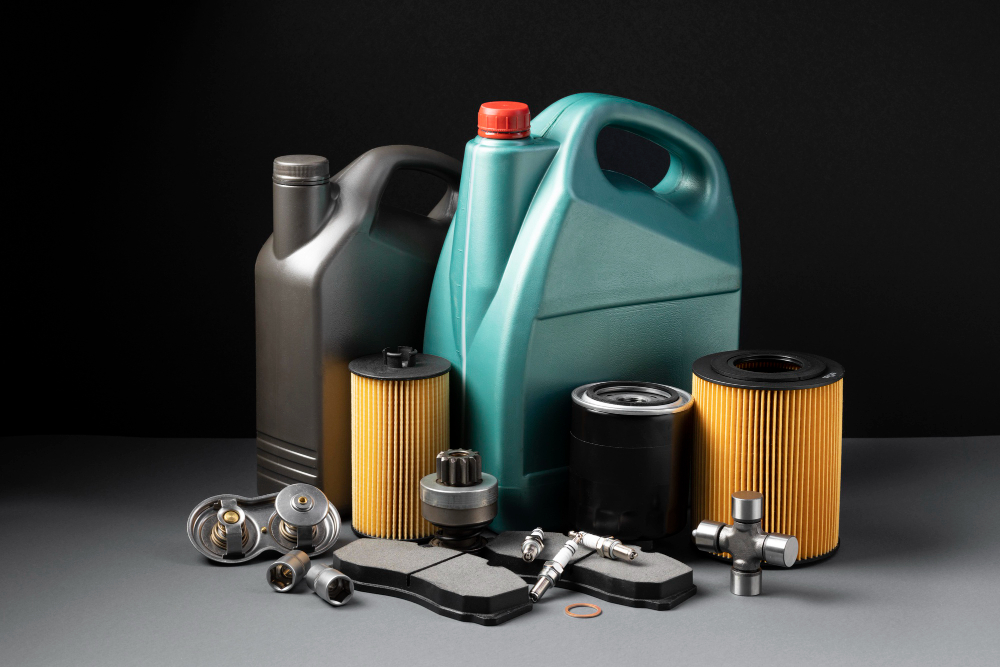
OEMs (Original Equipment Manufacturers) are tightening lubricant specifications. New engines and equipment require lubricants that meet exact performance standards, viscosity ranges, and additive formulations.
At the same time, global regulatory bodies are enforcing:
- Lower sulfur and ash content
- Extended oil drain intervals
- Cleaner-burning formulations
Recommendation:
Buyers must ensure their lubricant choices are OEM-approved and compliant with up-to-date certifications like API SP, ACEA C5, or ILSAC GF-6. Distributors should maintain a clear labeling system and provide technical documentation to support these requirements.
FAQs: Lubricant Market Trends and Best Practices
What are high performance lubricants?
High performance lubricants are formulated with premium base oils and advanced additives designed to perform under extreme conditions—such as high temperatures, pressures, and loads—common in heavy-duty or precision machinery.
Why are bulk lubricants becoming more popular?
Bulk lubricants reduce packaging waste, cut down costs, simplify logistics, and provide easier on-site access. They are ideal for operations with high lubricant usage like transportation fleets, manufacturing plants, or farms.
How can buyers choose the right lubricant supplier in 2025?
Look for suppliers that:
- Offer a wide range of high performance and eco-friendly lubricants.
- Provide bulk delivery options and inventory management tools.
- Are transparent with product certifications and regulatory compliance.
Are biodegradable lubricants as effective as traditional oils?
Yes. Modern biodegradable lubricants can match or exceed the performance of conventional oils, especially in low-to-moderate load environments. They are increasingly used in environmentally sensitive industries like forestry, marine, and agriculture.
How will digitalization impact lubricant distribution?
Digital tools will enable:
- Real-time lubricant monitoring and reordering.
- Predictive maintenance services.
- Streamlined logistics and tank level tracking.
This offers buyers more control and minimizes downtime.
To Summarize:
The lubricants industry is evolving rapidly, driven by technology, environmental regulations, and operational efficiency. In 2025, success for both buyers and distributors hinges on adaptability—whether that means embracing high performance lubricants, investing in bulk lubricants, or integrating smart monitoring systems.
By understanding these trends and adjusting strategies accordingly, companies can improve equipment performance, reduce costs, and stay compliant in a demanding regulatory landscape.