
Natural compounds found in plants have long attracted attention for their potential role in supporting everyday wellness. As interest grows across Canada in plant-based insights, organic compounds, and technology-driven research, one naturally occurring substance is gaining recognition for its unique interaction with the human body. This article explores how science, health research, and emerging business insights are shaping our understanding of beta-caryophyllene and its place in modern wellness discussions.
Table of Contents
- What Is Beta-Caryophyllene?
- How Does BCP Work in the Body?
- Key Beta-Caryophyllene Benefits Backed by Research
- Applications in Health, Services, and Business
- Health and Wellness Innovations
- Technology and Research Updates
- Business and Market Insights
- Frequently Asked Questions About Beta-Caryophyllene
- 1. What makes beta-caryophyllene different from other terpenes?
- 2. Are beta-caryophyllene health benefits supported by research?
- 3. How do caryophyllene terpene effects support wellness?
- 4. Is beta-caryophyllene considered safe?
- 5. How does BCP work with other plant compounds?
- 6. Why is beta-caryophyllene gaining popularity in Canada?
- Conclusion and Call to Action
What Is Beta-Caryophyllene?
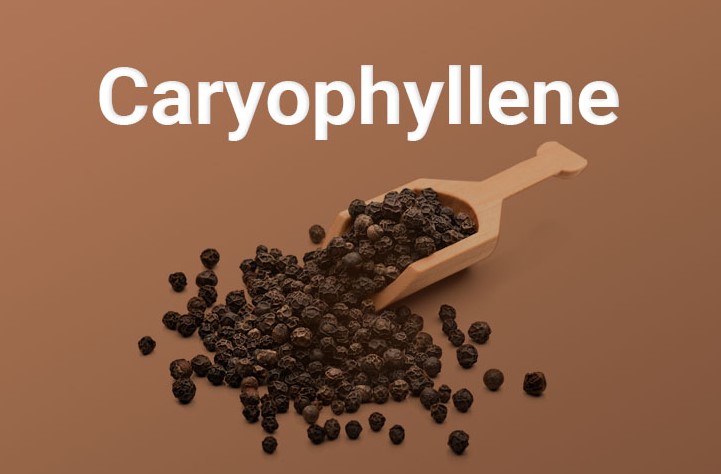
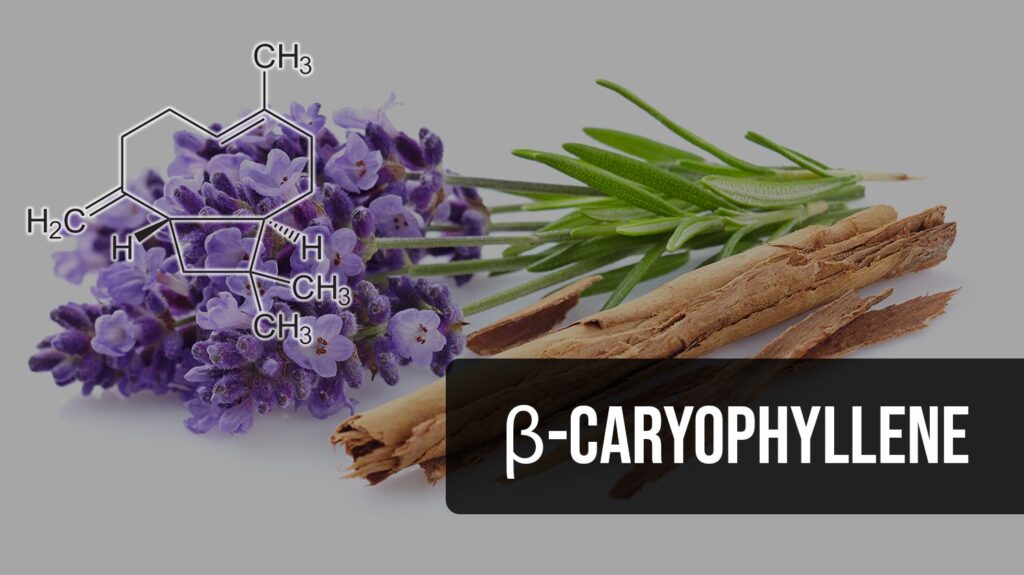
Beta-caryophyllene is an organic compound classified as a sesquiterpene and is naturally present in black pepper, cloves, cinnamon, oregano, and certain cannabis cultivars. Unlike many other terpenes, it has a distinctive molecular structure that allows it to interact directly with specific receptors in the body. These interactions are the foundation behind many widely discussed beta-caryophyllene health benefits and ongoing scientific interest in this compound across Canadian research institutions.
How Does BCP Work in the Body?
Interaction With the Endocannabinoid System
One of the most researched aspects of this compound is how does BCP work at a biological level. Beta-caryophyllene binds selectively to the CB2 receptor, a component of the endocannabinoid system associated with immune response and cellular balance. This mechanism helps explain many observed caryophyllene terpene effects, without producing intoxicating outcomes.
Non-Intoxicating Properties
Because it does not bind to CB1 receptors, beta-caryophyllene is considered non-psychoactive. This makes discussions around bcp benefits particularly relevant for individuals and businesses in Canada seeking wellness-focused, compliant, and research-backed solutions.
Key Beta-Caryophyllene Benefits Backed by Research
Scientific studies continue to explore the broad beta-caryophyllene terpene benefits, particularly in relation to overall wellness and balance. Researchers are interested in its potential to support the body’s natural responses without overstating medical outcomes.
Notable beta-caryophyllene benefits include:
- Supporting a balanced inflammatory response
- Promoting cellular health through receptor interaction
- Contributing to antioxidant activity
- Supporting general immune system function
- Enhancing the entourage effect when combined with other plant compounds
These caryophyllene effects are widely discussed in academic insights and wellness-focused publications, especially as Canada expands its research into plant-based compounds and technology-enabled health solutions.
Applications in Health, Services, and Business
Health and Wellness Innovations
The growing interest in beta-caryophyllene health benefits has influenced wellness services, nutraceutical development, and research-driven product innovation. Canadian companies are increasingly integrating terpene insights into educational content and compliant product formulations.
Technology and Research Updates
Advancements in extraction technology and analytical tools have made it easier to study caryophyllene terpene effects with greater accuracy.
Business and Market Insights
From functional ingredients to educational platforms, businesses are leveraging bcp benefits to offer value-driven services. Clear, non-deceptive communication remains critical to maintaining consumer trust and regulatory alignment in Canada.
Frequently Asked Questions About Beta-Caryophyllene
1. What makes beta-caryophyllene different from other terpenes?
Beta-caryophyllene is unique because it interacts directly with CB2 receptors, which explains many commonly discussed beta-caryophyllene benefits compared to other aromatic compounds.
2. Are beta-caryophyllene health benefits supported by research?
Yes, multiple studies have explored beta-caryophyllene health benefits, particularly in preclinical settings, focusing on immune response and cellular balance.
3. How do caryophyllene terpene effects support wellness?
The caryophyllene terpene effects are associated with receptor interaction that supports the body’s natural regulatory systems without intoxicating effects.
4. Is beta-caryophyllene considered safe?
When used appropriately and sourced responsibly, beta-caryophyllene is generally recognized as safe and is commonly found in everyday spices and foods.
5. How does BCP work with other plant compounds?
BCP can complement other compounds through synergistic interactions, often discussed as part of broader bcp benefits in plant-based formulations.
6. Why is beta-caryophyllene gaining popularity in Canada?
Increased research, regulatory clarity, and consumer demand for natural wellness insights have all contributed to growing interest in beta-caryophyllene terpene benefits across Canada.
Conclusion and Call to Action
As research evolves, beta-caryophyllene continues to stand out as a scientifically intriguing organic compound with wide-ranging wellness insights. From health-focused discussions to technology-driven research updates and responsible business applications, understanding beta-caryophyllene benefits helps consumers and professionals make informed, evidence-based decisions.
If you’re looking to stay informed about the latest insights, services, and updates related to plant-based wellness compounds, explore trusted Canadian resources and research-led platforms that prioritize transparency, compliance, and long-term value.