
A patch of soggy lawn can seem harmless after rain. However, when the same area stays wet through dry weather, develops an unpleasant smell or spreads towards the house, it deserves a closer look. A local plumber in Casula investigates the pattern, checks the relevant plumbing systems and uses targeted testing to narrow down the cause. Understanding this process helps homeowners explain the problem clearly and make informed repair decisions.
Table of Contents
- What Does Persistent Garden Water Pooling Mean?
- How Does the Investigation Begin?
- Checking for an Underground Water Supply Leak
- Investigating Stormwater and Surface Drainage
- Ruling Out Irrigation Faults
- Could the Water Be Coming from a Wastewater Pipe?
- When Does Garden Pooling Need Urgent Attention?
- How Are Repair Recommendations Decided?
- Identify the Cause Before Repairing the Garden
What Does Persistent Garden Water Pooling Mean?
Persistent pooling means water is entering an area faster than it can drain away or soak into the ground. A knowledgeable plumber in Casula can assess the affected area and help determine whether that water comes from rainfall, a pressurised supply, irrigation or wastewater.
The timing offers useful clues:
- After heavy rain: Surface runoff, blocked drainage or saturated soil may be involved.
- During dry weather: A leaking supply pipe, irrigation fault or another ongoing water source becomes more likely.
- After watering: Damaged irrigation fittings or excessive watering may be responsible.
- Alongside slow household drains: Consider a wastewater problem.
These patterns guide the investigation, but none proves the cause on its own.
How Does the Investigation Begin?
Reviewing the History of the Wet Patch
Before testing pipework, a plumber will usually ask when the problem started and how it behaves.
Useful information includes whether the patch appeared after landscaping, whether nearby paving has shifted and whether the household has noticed changes in water pressure or bills. Photographs taken over several days can show whether the affected area is growing.
A plumber in Casula may also ask about irrigation schedules, rainwater tanks and recent plumbing work. These details help identify which systems could be supplying the water.
Inspecting the Garden and Nearby Fittings
The inspection may cover outdoor taps, irrigation valves, downpipe connections, accessible drainage points and the ground around the wet area.
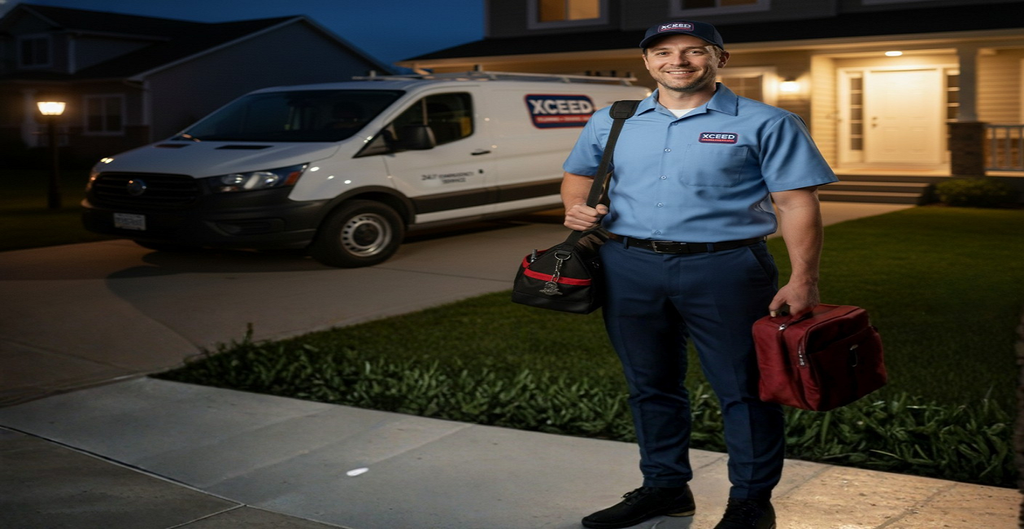
The plumber looks for visible drips, damaged fittings, sediment, overflow marks and routes that water could follow. Nearby garden beds or paving may direct runoff into a low spot even when the underground pipes are sound. Xceed Plumbing lists leak detection and blocked-drain services on its Casula service page, including acoustic equipment, thermal imaging and CCTV inspection where appropriate.
Checking for an Underground Water Supply Leak
Comparing Water Meter Readings
If a property has an accessible water meter, a controlled meter check can help identify unexplained water use.
Keep all taps and water-using appliances, including irrigation, off during the observation period. The supply stays on while the plumber records the initial reading and compares it with a later reading. Movement can indicate water use or leakage somewhere downstream of the meter. It does not establish that the garden pipe is responsible: a running toilet or another hidden fault could explain it.
A stationary meter also cannot rule out rainwater, wastewater, an intermittent leak or a leak on a separate supply.
Isolating and Testing Relevant Pipework
If the findings suggest a supply leak, the plumber may isolate accessible sections and carry out suitable pressure testing. This helps narrow the investigation instead of treating the entire property as the likely fault area.
Acoustic equipment can help detect sounds associated with escaping water. Thermal imaging may provide supporting temperature clues in suitable conditions, but it does not see directly through soil or prove a pipe has failed. The plumber interprets these results alongside the pipe layout and other observations. Some targeted excavation may still be necessary to confirm the fault and complete a repair.
Investigating Stormwater and Surface Drainage
Checking Where Rainwater Travels
When pooling follows rainfall, the investigation shifts towards roof runoff, surface levels and stormwater drainage.
A Casula plumber may check whether:
- Downpipes connect to the intended drainage system.
- Accessible pits and grates contain leaves or sediment.
- Water flows towards the house rather than away from it.
- New paving or garden edging interrupts an existing drainage path.
- A low section of lawn collects runoff from surrounding surfaces.
A drainage pipe can be clear while the garden still floods because the surface layout concentrates water in one place.
Using CCTV Where It Can Answer a Specific Question
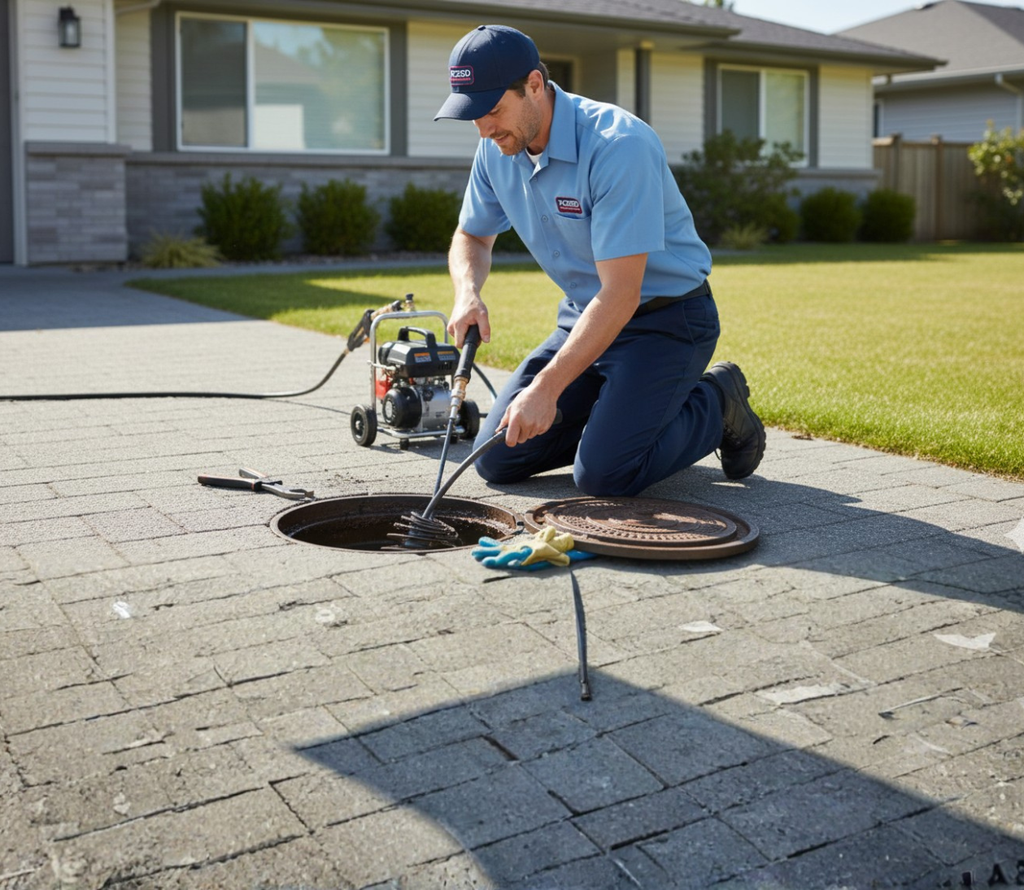
A CCTV camera can inspect an accessible stormwater pipe for obstructions, root intrusion, displaced joints or visible damage. Camera inspection is useful inside suitable pipes; it is not a general scan of the garden. Standing water, debris and restricted access can limit visibility, and clearing may be needed before the pipe can be assessed properly.
If the pipework is functioning, further advice about ground levels, soil conditions or landscaping may be more appropriate than replacing a drain.
Ruling Out Irrigation Faults
Garden watering systems can produce wet patches that resemble underground supply leaks.
A split irrigation line, loose connection or valve that does not close properly can keep a garden in Casula damp. The local plumber in Casula may compare conditions with irrigation disabled, then observe individual zones where practical.
Sprinkler and buried watering-line locations matter. A wet patch beside one irrigation zone may have a different cause from water collecting near a stormwater pit.
Repairing a damaged fitting or correcting watering settings may solve the problem. Adding drainage without checking the watering system could leave the original fault unresolved.
Could the Water Be Coming from a Wastewater Pipe?
Water pooling near an outdoor drainage fitting, particularly alongside gurgling fixtures or slow toilets, may indicate a wastewater blockage or damaged pipe.
Tree roots and accumulated material can restrict flow. Wastewater may then back up and escape through an external overflow point. An overflow relief gully must remain unobstructed; covering it with soil, paving or garden features can interfere with its purpose. A local plumber in Casula can assess whether the problem involves private pipework or requires referral to the relevant network operator. Colour and smell alone cannot reliably establish whether pooled water is safe.
When Does Garden Pooling Need Urgent Attention?
Prompt assessment is important when water spreads rapidly, enters the building, emerges with sewage, or creates unstable ground.
Keep children and pets away from suspected wastewater. Avoid standing in water near electrical equipment, and do not dig around suspected underground services. Wastewater overflows can contain harmful microorganisms, making direct contact unsafe.
If you suspect a substantial supply leak, contact a 24/7 plumber in Casula. Turn off the property’s accessible water isolation valve only if it is safe to do so, and you can confidently identify the valve. Do not force a seized valve or interfere with network equipment. For urgent problems, explain the visible symptoms when requesting help. A provider’s emergency service availability does not necessarily mean immediate attendance, so confirm the expected response time.
How Are Repair Recommendations Decided?
The repair should address the confirmed cause rather than simply hide the wet patch.
The recommended repair depends on the water source and the condition of the affected system. After assessing the findings, a skilled Casula plumber may suggest repairing a leaking supply pipe, replacing an irrigation component, clearing an obstruction or repairing damaged drainage.
Before authorising work, homeowners can ask for:
- An explanation of the evidence supporting the diagnosis.
- Relevant photographs or camera footage, where available.
- The proposed repair scope and likely access requirements.
- A written price and any exclusions.
- Details of testing after the repair.
Afterwards, have a local plumber in Casula check the affected system again. Soil may remain damp while it dries, so immediate dryness is not the only measure of success. Follow-up observations help establish whether fresh water is still entering the area.
Frequently Asked Questions
Is a Wet Garden Always a Sign of a Burst Pipe?
No. Rainfall, overwatering, compacted soil, poor surface drainage and irrigation faults can all cause pooling. A supply leak becomes more suspicious when wetness persists during dry weather or accompanies unexplained water use. Investigate the cause before selecting repairs.
Can a Water Meter Test Locate the Leak?
No. A meter check can reveal unexplained water passing through that meter while normal water use has stopped. It cannot pinpoint a location. A local plumber in Casula may need isolation tests, specialist detection equipment or further inspection to distinguish a garden leak from a fault elsewhere.
Can Tree Roots Cause Water to Pool Above a Drain?
Yes, if roots enter a drain and contribute to a blockage or pipe damage. However, trees near a wet patch don’t prove root intrusion. An internal pipe inspection, where access allows, can help identify whether roots are actually involved.
Will the Whole Garden Need to Be Dug Up?
Not necessarily. Targeted testing can narrow the suspected area before excavation. The amount of digging depends on pipe depth, access, material and the nature of the damage. No inspection method can guarantee excavation won’t be needed.
Should a Garden Drain Be Installed Straight Away?
Only after assessing the water source and drainage conditions. A new drain will not repair a leaking supply pipe or faulty irrigation valve. Any proposed drainage work also needs a suitable discharge arrangement; moving water elsewhere without planning can create another problem.
What Should I Check When Searching for “24/7 Plumber Casula”?
Confirm that the provider serves Casula, offers the relevant emergency service and can explain the expected attendance time and charges. The location is spelt Casula, so checking the service area helps avoid contacting an unsuitable provider. Describe whether the problem involves clean-looking water, suspected sewage or water approaching the house.
Identify the Cause Before Repairing the Garden
Persistent garden pooling can have several causes. A methodical investigation connects weather patterns, meter readings, irrigation behaviour, and drainage findings before recommending a repair. A local plumber in Casula can help distinguish a plumbing fault from a surface drainage problem and explain what the evidence supports. Addressing that cause gives the garden a better chance to recover without repeated temporary fixes.
Need plumbing help in Casula? View Xceed Plumbing’s location on Google Maps at its listed address.