


Table of Contents
- Understanding Porcelain Veneers and Their Cosmetic Benefits
- What Happens During Porcelain Veneer Treatment?
- Essential Aftercare Tips for Maintaining Porcelain Veneers
- Maintain Healthy Brushing and Flossing Habits
- Be Careful With Hard Foods and Excessive Pressure
- How Long Can Porcelain Veneers Last?
- Choosing a Qualified Cosmetic Dentist for Veneer Treatment
- Conclusion
A confident smile can make a meaningful difference in daily interactions, whether speaking with others, attending social events, or taking photographs. However, dental concerns such as chipped teeth, stubborn discoloration, small gaps, and uneven tooth shapes can affect smile appearance. Modern cosmetic dentistry offers treatment options that address these imperfections while maintaining natural-looking results.
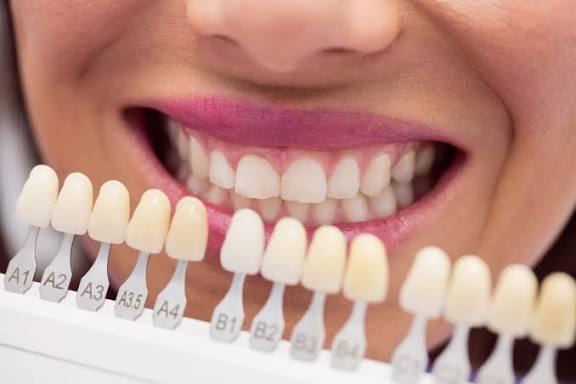
Porcelain veneers are thin, custom-made ceramic restorations attached to the front surfaces of teeth. They commonly improve tooth color, size, shape, and overall appearance. These restorations are carefully created to complement surrounding teeth, making them an option for patients seeking cosmetic improvements without extensive restorative treatment.
For individuals considering smile enhancement, porcelain veneers Agoura Hills treatment options may help address several cosmetic dental concerns. Before deciding, understand the consultation process, preparation requirements, placement procedures, and daily maintenance habits. A professional dental exam can determine whether veneers fit your oral health needs.
Understanding Porcelain Veneers and Their Cosmetic Benefits
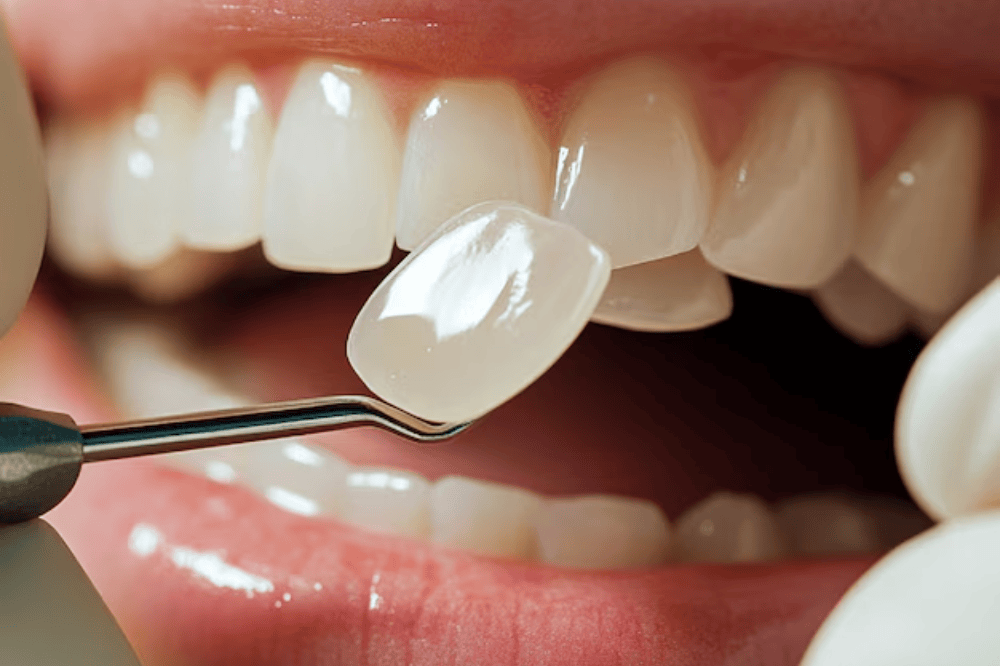
Porcelain veneers are customized dental restorations that cover the visible front surfaces of teeth. They are generally made from dental ceramic materials selected for their appearance, durability, and ability to resemble natural tooth enamel.
Unlike dental crowns, which typically cover the entire visible portion of a tooth, veneers primarily focus on improving the front surface.
Common Cosmetic Concerns Treated With Veneers
Porcelain veneers may help improve several dental imperfections, including:
- Teeth with discoloration that does not respond well to whitening
- Minor chips or worn tooth edges
- Small gaps between visible teeth
- Irregularly shaped or uneven teeth
- Teeth that appear shorter than surrounding teeth
Although veneers can improve cosmetic appearance, they do not correct every dental condition. Patients with active tooth decay, periodontal disease, or significant bite problems may require additional dental treatment before cosmetic restorations are considered. Consulting skilled specialists can help determine whether veneers are suitable or if other treatment options should be addressed first.
What Happens During Porcelain Veneer Treatment?
The porcelain veneer procedure involves dental assessment, individualized planning, tooth preparation, and final restoration placement. The exact treatment approach depends on existing tooth structure, cosmetic goals, and oral health.
Initial Dental Consultation and Smile Assessment
A cosmetic dental consultation allows the dentist to evaluate teeth, gums, bite alignment, and overall oral health. During this appointment, patients can explain their concerns about tooth color, alignment, spacing, or shape. The dentist may use dental photographs, digital impressions, or imaging technology to assess the smile. Treatment recommendations should consider both aesthetic expectations and the long-term health of natural teeth.
Tooth Preparation and Custom Veneer Creation
Traditional porcelain veneers usually require the removal of a small amount of enamel from the front surfaces of the teeth. This preparation creates space for the restorations and helps them fit comfortably without appearing bulky.
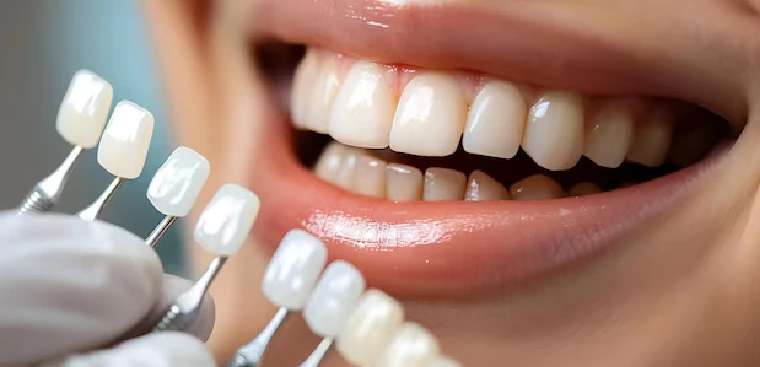
After preparation, the dentist records detailed impressions or digital scans. These measurements guide the fabrication of custom veneers that match the desired shape, shade, and proportions. Temporary veneers may be provided while permanent restorations are being prepared.
Final Veneer Placement and Bonding
When the custom veneers are ready, the dentist examines their appearance, fit, and alignment with neighboring teeth. The restorations are then bonded to the prepared tooth surfaces using specialized dental adhesive materials.
After bonding, the dentist checks the bite and makes adjustments when needed. Patients receive instructions for maintaining the restorations and identifying potential concerns after treatment.
Essential Aftercare Tips for Maintaining Porcelain Veneers
Good oral hygiene and appropriate daily habits are important for maintaining porcelain veneers. Although ceramic restorations resist many common stains, they can still chip, loosen, or experience problems around their edges.
Maintain Healthy Brushing and Flossing Habits
Patients should brush twice daily using a soft-bristled toothbrush and nonabrasive fluoride toothpaste. Daily flossing helps remove plaque and food particles between teeth and around the gumline. Maintaining healthy gums is especially important because gum recession may expose veneer margins and affect their appearance.
Be Careful With Hard Foods and Excessive Pressure
Porcelain veneers are made for normal chewing, but excessive force can damage them. Avoid using teeth to open packages, biting fingernails, or chewing ice and other unusually hard objects. Patients who grind or clench their teeth should discuss protective measures with their dentist. In some cases, a professionally fitted night guard may help reduce pressure on the restorations.
Schedule Regular Dental Examinations
Routine dental appointments allow dentists to inspect veneer condition, surrounding gums, and natural tooth structure. Professional cleanings help manage plaque accumulation, while examinations can identify loosened restorations, changes in bite alignment, or developing dental problems. Regular checkups are an important part of long-term cosmetic dental maintenance.
How Long Can Porcelain Veneers Last?
Porcelain veneers commonly remain functional for approximately 10 to 15 years, although individual outcomes vary considerably. Their longevity depends on several factors, including oral hygiene, chewing habits, bite forces, restoration quality, and the condition of the underlying teeth.
Patients who maintain consistent dental care and avoid damaging habits may reduce certain risks affecting veneer durability. However, veneers are not permanent restorations. They may eventually require repair or replacement because of wear, damage, changes in gum position, or other dental concerns.
Explore custom smile improvements with Agoura Advanced Dentistry. Call (818) 874-3533 for a consultation.
Choosing a Qualified Cosmetic Dentist for Veneer Treatment
Selecting an appropriate dental professional is an important part of achieving suitable cosmetic and functional results. When searching for an experienced veneers dentist near you, consider professional qualifications, experience with cosmetic restorations, treatment planning methods, and patient communication. A thorough consultation should explain the benefits, limitations, possible risks, and available alternatives.
For patients researching cosmetic treatment options such as veneers Agoura Hills, choosing a dental practice that prioritizes individual oral health and realistic expectations is especially important. An experienced dentist should also explain how much enamel preparation may be required and whether alternative treatments, such as bonding or orthodontic care, could be appropriate.
Conclusion
Porcelain veneers can improve the appearance of chipped, stained, uneven, or irregularly shaped teeth when treatment is appropriate for the patient. Understanding the consultation, preparation, bonding process, and aftercare requirements allows individuals to approach cosmetic dental treatment with realistic expectations.
Consistent brushing, daily flossing, regular dental visits, and avoiding excessive pressure on restorations can help support their condition over time. Before proceeding, patients should receive a personalized dental evaluation to determine whether porcelain veneers align with their cosmetic goals and oral health needs.
Frequently Asked Questions
Is getting porcelain veneers painful, and what should patients expect?
Dentists commonly use local anesthesia during enamel preparation to minimize discomfort. Mild sensitivity may occur after treatment, but it usually improves. Persistent or increasing pain should be evaluated by a dental professional.
How long does porcelain veneer treatment take?
Traditional porcelain veneer treatment generally requires two or more appointments. The schedule depends on the number of teeth being treated, laboratory fabrication, and whether additional dental procedures are necessary.
Can porcelain veneers look like natural teeth?
Yes. Custom porcelain veneers can be shaped and shaded to complement surrounding teeth. The final appearance depends on treatment planning, tooth characteristics, restoration materials, and individual cosmetic expectations.
Can porcelain veneers develop stains?
Porcelain is relatively resistant to staining, but neighboring natural teeth and restoration margins may discolor. Maintaining oral hygiene and attending regular dental visits can help preserve your smile’s appearance.
Are porcelain veneers suitable for people with crooked teeth?
Veneers may improve the appearance of minor irregularities, but they do not correct underlying tooth alignment or bite problems. Patients with significant crowding or misalignment may benefit from orthodontic treatment instead.
Successful porcelain veneer treatment starts with understanding the condition of natural teeth and setting realistic cosmetic goals. Careful planning, appropriate restoration placement, and consistent oral hygiene contribute to maintaining healthy teeth and supporting the long-term appearance of a restored smile.


