


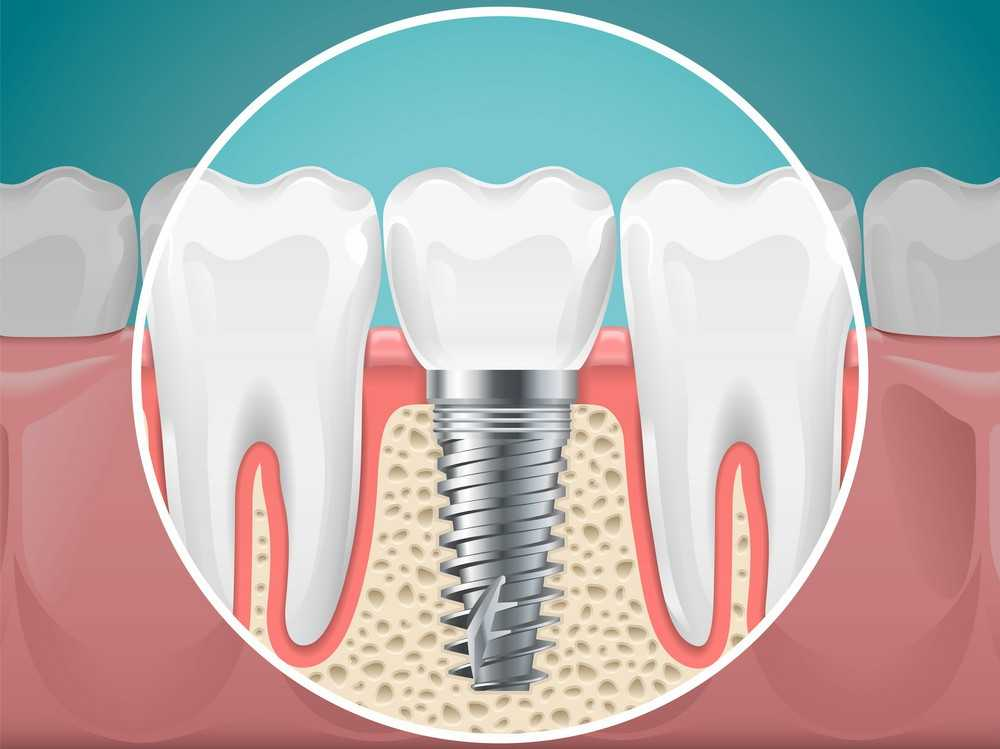
Losing a tooth can affect more than the appearance of your smile. It may also make eating, speaking, and maintaining proper tooth alignment more difficult. Dental implants offer one way to replace missing teeth, but many patients are concerned about how long the process will take.
Table of Contents
- What Are Same-Day Dental Implants?
- How Is the Treatment Different from Traditional Implant Placement?
- Who May Be a Suitable Candidate?
- When Might a Staged Procedure Be More Appropriate?
- Can Same-Day Implants Replace Multiple Missing Teeth?
- What Happens Before the Procedure?
- What Should You Expect on Treatment Day?
- What Is the Recovery Like?
- What Are the Potential Benefits?
- What Are the Risks and Limitations?
- How Should Same-Day Implants Be Maintained?
- Frequently Asked Questions
- Making an Informed Decision About Same-Day Dental Implants
Traditional implant treatment often involves several appointments spread over a few months. In selected cases, same-day dental implants allow an implant and temporary tooth to be placed during one appointment. This can reduce the time a patient spends without a visible tooth, but it does not eliminate the normal healing process.
Not everyone qualifies for this approach. A consultation with an implant dentist in Agoura Hills can help determine whether your oral health, jawbone, bite, and overall health support immediate placement. Understanding the procedure and its limitations will help you ask informed questions before choosing treatment.
What Are Same-Day Dental Implants?
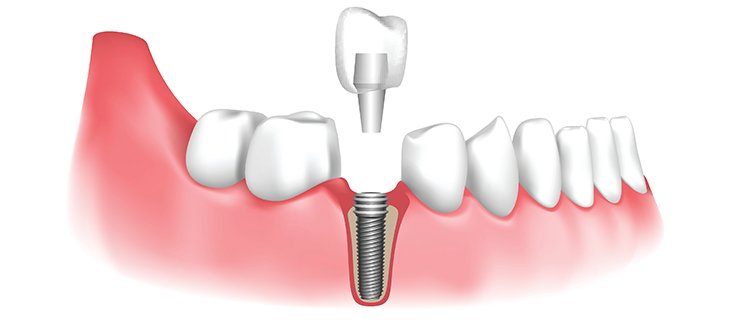
The term “same-day” usually means the implant is inserted into the jaw and a temporary restoration is attached during the same visit. Patients may leave the office with a visible replacement tooth or a temporary fixed bridge rather than waiting for the final restoration.
Although the temporary tooth is provided quickly, the implant still needs time to bond with the surrounding bone. This natural healing process, known as osseointegration, commonly continues for several months.
Once the implant has integrated and the surrounding tissues are stable, the temporary restoration may be replaced with a final crown or bridge. Same-day treatment should therefore be viewed as immediate placement with continued healing, not as a process completed entirely in one appointment.
How Is the Treatment Different from Traditional Implant Placement?
During a traditional dental implant procedure, a damaged tooth may first be removed. The extraction site is then allowed to heal before the implant is placed. After another healing period, the final crown or bridge is attached.
With an immediate approach, tooth extraction, implant placement, and the attachment of a temporary restoration may happen during the same appointment. This can shorten the overall treatment sequence and help preserve the appearance of the smile during recovery.
However, the faster approach requires suitable clinical conditions. The implant must have enough initial stability to support a temporary tooth without interfering with healing. If the surrounding bone is weak or the implant cannot be placed securely, a staged treatment may be safer.
Who May Be a Suitable Candidate?
A good candidate generally has healthy gums, adequate jawbone, and no untreated infection near the planned implant site. Overall health and daily habits also influence healing.
A dentist may consider factors such as:
- The amount and density of available jawbone
- The condition of the gums
- The location of the missing or damaged tooth
- The patient’s bite
- The stability achieved when the implant is placed
- Smoking or tobacco use
- Teeth grinding or clenching
- Medical conditions that may affect healing
- The ability to follow post-treatment instructions
Age alone does not determine eligibility. A healthy older adult may be a better candidate than a younger patient with uncontrolled gum disease or another condition that interferes with healing.
A detailed dental implant consultation is essential because candidacy cannot be established from photographs or symptoms alone.
When Might a Staged Procedure Be More Appropriate?
Same-day placement is not automatically the best choice. A traditional timeline may provide a more predictable foundation when the implant site needs additional healing or support.
A staged procedure may be recommended if there is:
- Significant jawbone loss
- Active gum disease
- Infection around the damaged tooth
- Insufficient stability at the implant site
- A complex bite problem
- Heavy tooth grinding
- A need for extensive bone grafting
- A health condition that could delay healing
Some patients require a graft to increase the amount of bone available around the proposed implant. Depending on the extent of the graft, the site may need to heal before implant placement.
Waiting longer does not mean the treatment has failed. In many cases, a staged approach is chosen to improve stability and support the long-term health of the restoration.
Can Same-Day Implants Replace Multiple Missing Teeth?
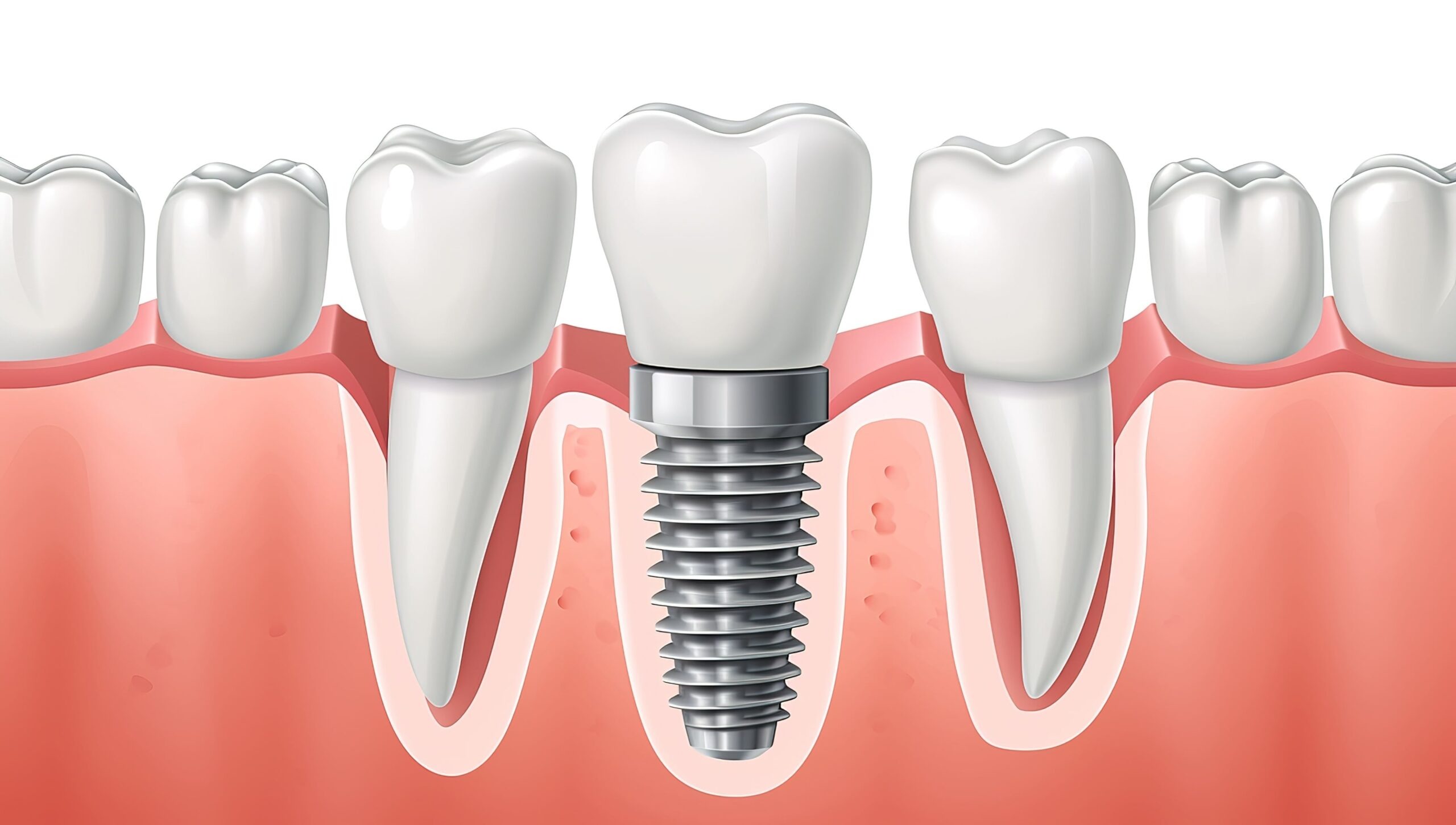
Immediate placement may be considered for one missing tooth, several teeth, or an entire dental arch. The treatment plan depends on the number of missing teeth and the condition of the supporting bone.
When all or most teeth in an upper or lower arch need replacement, full-arch dental implants may support a temporary fixed bridge. Several strategically positioned implants can provide a foundation for the replacement teeth.
These cases require detailed planning because the dentist must consider bone availability, implant position, bite balance, and how pressure will be distributed across the temporary bridge.
Patients should also understand that the teeth provided on the day of surgery are often temporary. A final bridge may be created after healing and implant integration are complete.
What Happens Before the Procedure?
Planning begins with a complete examination rather than the surgical appointment itself. The dentist reviews the patient’s dental history, general health, medications, and treatment expectations.
Digital X-rays or three-dimensional imaging may be used to examine the jawbone, tooth roots, nerves, and nearby structures. Impressions or digital scans can help plan the shape and position of the replacement tooth.
During this stage, the dentist should explain:
- Whether immediate placement is clinically appropriate
- Which teeth or areas will be treated
- Whether an extraction or graft may be needed
- The type of temporary restoration planned
- Expected healing and dietary restrictions
- Potential risks and alternatives
- Estimated costs and payment options
- The expected timing of the final restoration
Patients should receive enough information to compare immediate placement with a conventional treatment schedule.
What Should You Expect on Treatment Day?
The exact process varies according to the number and location of implants. Local anesthesia is commonly used, while additional comfort options may be discussed based on the complexity of the case and the patient’s needs.
If a damaged tooth remains, it may be carefully removed. The implant is then positioned in the jawbone. The dentist evaluates its stability before deciding whether a temporary restoration can be safely attached.
The temporary tooth is shaped to support appearance and basic function while limiting excessive pressure on the healing implant. It may not have the same strength or biting capacity as the final restoration.
Patients must follow dietary and cleaning instructions closely. Receiving a tooth on the same day does not mean it can immediately handle normal chewing forces.
What Is the Recovery Like?
Some swelling, tenderness, bruising, or minor bleeding can occur after implant placement. These effects often improve gradually, but the experience differs according to the procedure and the individual patient.
During early dental implant recovery, patients may be advised to eat soft foods and avoid chewing directly on the treated area. Smoking, hard foods, and strenuous activity may also need to be avoided for a period recommended by the dental team.
Follow-up appointments allow the dentist to monitor:
- Gum healing
- Implant stability
- Bite pressure
- The fit of the temporary tooth
- Oral hygiene around the implant
- Signs of infection or inflammation
Persistent pain, increasing swelling, fever, unusual discharge, or movement of the temporary restoration should be reported promptly.

A careful examination is the only reliable way to determine whether immediate or staged placement is more appropriate. Agoura Advanced Dentistry can assess the implant site, gum condition, bite, and treatment goals before explaining suitable options.
What Are the Potential Benefits?
For suitable candidates, same-day placement may offer several practical benefits:
- A visible tooth can be provided sooner
- Fewer separate surgical stages may be needed
- The appearance of the smile can be maintained during healing
- Treatment may feel more convenient
- A temporary fixed restoration may reduce reliance on a removable appliance
- Immediate placement may help maintain the contours of the extraction area in selected cases
These advantages depend on careful treatment planning and appropriate patient selection. Outcomes cannot be guaranteed, and individual results vary.
What Are the Risks and Limitations?
Like any surgical treatment, implant placement involves potential risks. These can include infection, bleeding, inflammation, injury to nearby structures, implant movement, or failure of the implant to integrate with the bone.
A temporary restoration may chip, loosen, or require adjustment. Placing too much pressure on the implant before it has healed can interfere with integration.
Patients should also understand that implants are not maintenance-free. Plaque and inflammation can affect the tissues and bone surrounding an implant. Long-term success relies on daily care, professional cleaning, and routine monitoring.
How Should Same-Day Implants Be Maintained?
Good dental implant aftercare begins immediately after placement. Patients should follow the specific instructions provided by their dental team because cleaning recommendations may change as healing progresses.
Long-term care normally includes:
- Brushing twice each day
- Cleaning carefully around the restoration
- Using floss or implant-cleaning aids as advised
- Attending professional cleanings
- Keeping routine examination appointments
- Avoiding tobacco
- Managing teeth grinding when necessary
- Reporting changes in comfort, fit, or gum condition
Although implants cannot develop cavities, the surrounding gums and bone can still become inflamed. Protecting these supporting tissues is essential.
Frequently Asked Questions
Are same-day dental implants completed in one visit?
The implant and a temporary tooth may be placed during one visit, but healing continues for several months. The final crown or bridge is usually fitted after the implant has integrated with the jawbone.
Will I receive permanent teeth on the day of surgery?
Many patients receive a temporary restoration. It maintains appearance and limited function during healing. The final restoration is commonly placed after the dentist confirms that the implant is stable.
Is the procedure painful?
Anesthesia is used to manage discomfort during treatment. Tenderness and swelling may occur afterward and usually improve as healing progresses. Experiences vary depending on the extent of the procedure.
Can I eat normally after receiving an implant?
A soft-food diet is commonly recommended during early healing. Hard, crunchy, sticky, or chewy foods may place too much pressure on the implant. Follow the dietary instructions provided by your dentist.
How long does an implant last?
An implant can remain functional for many years, but its lifespan depends on oral hygiene, gum health, bite forces, smoking, general health, and routine dental care. The attached crown or bridge may eventually need maintenance or replacement.
Does dental insurance cover same-day implants?
Coverage differs between insurance plans. Some policies may contribute toward certain parts of treatment, while others exclude implant care. Request a written estimate and confirm benefits directly with the insurer.
Making an Informed Decision About Same-Day Dental Implants
Same-day implants can shorten parts of the treatment process and allow eligible patients to leave with a temporary replacement tooth. However, convenience should not take priority over proper healing, stable bone support, and long-term predictability.


