In advanced cooling environments, especially in high‑performance computing and data center applications, cooling distribution units play a pivotal role. These systems ensure coolant is delivered effectively to critical equipment, maintaining optimal operating temperatures and preventing overheating. As technology evolves and processing demands grow, CDUs have become foundational components of modern thermal infrastructure. In this comprehensive guide, we’ll explore what CDUs are, how they operate, the advantages they deliver, potential risks associated with their use, and recommended best practices to help organizations make informed decisions about deploying coolant distribution unit technology.
Table of Contents
- What Is a Cooling Distribution Unit?
- How Cooling Distribution Units Work
- Core Benefits of Cooling Distribution Units
- Potential Risks and Challenges
- Best Practices for Deploying CDUs
- Conclusion
- Frequently Asked Questions
- What is a cooling distribution unit, and how does it differ from a traditional cooling system?
- Can a data center CDU improve energy efficiency?
- What risks are associated with implementing coolant distribution unit systems?
- How often should cooling distribution units be maintained?
- Are cooling distribution units suitable for all types of IT infrastructure?
- Frequently Asked Questions
What Is a Cooling Distribution Unit?
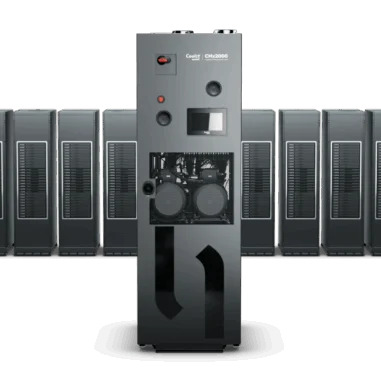
A cooling distribution units is a central device in liquid cooling systems that manages the supply, return, and control of coolant to heat‑generating equipment. Unlike standalone chillers or air‑based cooling approaches, a CDI (coolant distribution unit) integrates pumps, heat exchangers, sensors, and controls into a centralized platform.
These systems are not merely conduits for liquid; they provide precision regulation of coolant flow, pressure, and temperature. In many installations, the data center CDU ensures that each rack or module receives the exact amount of coolant it needs, optimizing performance and reducing energy waste.
How Cooling Distribution Units Work
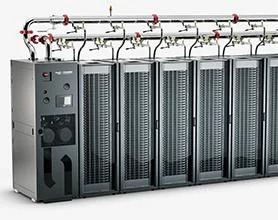
A typical cooling distribution unit begins with a chilled-water source. This chilled liquid passes into the CDU, where integrated pumps deliver it along designated circuits to equipment requiring thermal regulation. Return the lines, then collect the warmed coolant and route it back to a central chiller or heat-rejection system.
Key elements in how these units operate include:
- Pumps that maintain consistent flow and pressure
- Heat exchangers that transfer thermal energy from the hot return coolant to the chilled supply
- Sensors and controls that monitor temperature, flow, and system health
Modern CDUs are often equipped with automated control systems that adjust coolant flow in real time based on demand, boosting efficiency, optimizing thermal performance, and preventing temperature spikes in data centers and high-performance computing environments across Canada.
Core Benefits of Cooling Distribution Units
Precision Thermal Management
One of the most compelling advantages of a cooling distribution unit is its ability to deliver precise thermal control. By directing coolant exactly where it’s needed, CDUs prevent hotspots and maintain stable operating conditions for high‑density computing and delicate infrastructure. Precision regulation also reduces the risk of overheating, extending data center equipment lifespan and lowering maintenance intervention.
Energy Efficiency and Reduced Costs
Efficient coolant distribution directly impacts energy usage. Rather than relying on broad, less targeted air cooling, CDUs concentrate liquid cooling where it’s most effective, decreasing overall energy consumption. Lower energy usage translates to reduced operational costs, a critical consideration for businesses managing large facilities or high‑performance clusters.
Scalability for Growth
Whether scaling a small server room or expanding a major computational facility, CDUs support modular expansion. Their flexibility allows facility managers to add cooling capacity incrementally, matching growth without overspending on infrastructure. This scalability makes CDUs particularly appealing for environments where demand fluctuates or expected growth isn’t linear.
Improved Reliability and Uptime
Downtime can be incredibly costly. Effective coolant distribution helps maintain system stability by keeping temperatures within safe thresholds. This reduces the likelihood of thermal shutdowns and equipment failure. With proper maintenance and monitoring, cooling distribution units enhance system uptime and bolster confidence in critical operations.
Enhanced Performance in High‑Density Systems
As processing systems grow increasingly powerful and compact, managing heat output becomes more challenging. A data center CDU excels in high‑density scenarios where air cooling struggles. Liquid cooling absorbs and moves heat more efficiently, making CDUs ideal for artificial intelligence clusters, edge computing, and high‑performance computing.
Potential Risks and Challenges
While cooling distribution units deliver significant benefits, it’s important to understand the potential risks and challenges associated with their deployment.
Initial Investment and Complexity
Installing a cooling distribution unit requires upfront investment in infrastructure and planning. Compared to conventional air cooling, CDUs may involve more complex plumbing, controls, and monitoring systems. For organizations unfamiliar with liquid cooling, this can mean additional training and integration steps. Despite higher initial costs, many organizations see a return on investment through long‑term efficiency gains.
Leak Risks and Fluid Management
Liquid systems inherently carry the risk of leaks. Although modern CDUs are designed with safeguards such as leak detection, containment trays, and sensor‑driven shutdowns, leaks can still pose a threat if not managed properly. Implementing rigorous maintenance protocols and immediate response plans mitigates exposure to fluid damage.
Maintenance Requirements
Cooling distribution units require regular inspection of pumps, valves, heat exchangers, and sensors. Components such as filters and seals must be monitored and replaced as necessary to prevent performance degradation. Establishing a structured maintenance schedule is essential to prolong service life and avoid equipment failures.
Integration with Existing Systems
For facilities with legacy cooling infrastructure, integrating a coolant distribution unit can be challenging. Retrofitting may require customizing piping layouts or upgrading control systems to ensure compatibility. Careful planning and expert consultation help minimize friction during integration and ensure a seamless deployment.
Best Practices for Deploying CDUs
Organizations using a CoolIT Systems CDU solution can achieve optimal cooling performance and long-term operational efficiency by following these best practices:
Design for Demand and Redundancy
Assess real thermal loads and design CDU capacity accordingly. Building in redundancies, such as backup pumps and parallel circuits, enhances reliability and prevents single points of failure.
Implement Smart Monitoring Systems
Real‑time monitoring allows operators to track performance indicators like coolant temperature, flow rates, and pressure. Automated alerts enable proactive intervention before issues escalate.
Plan Effective Maintenance Routines
Routine inspections and preventive replacement of wear‑prone parts like seals, filters, and hoses keep CDUs operating optimally. Documentation and tracking help streamline service cycles.
Train Personnel on Liquid Cooling Protocols
Staff training is essential. Teams that understand how to manage and troubleshoot cooling distribution units can respond more effectively to irregular conditions and emergent situations.
Integrate Leak Detection and Containment
Installing advanced leak detection systems and containment measures adds an extra layer of protection. Early identification of fluid loss minimizes damage and supports uninterrupted operations.
Conclusion
Cooling distribution units are a cornerstone of modern liquid cooling technology. They offer precise temperature control, improved efficiency, scalability, and enhanced performance, particularly in environments with high thermal demands. However, like all sophisticated systems, they require thoughtful planning, maintenance, and monitoring to unlock their full potential. Whether upgrading an existing thermal management strategy or designing new infrastructure, organizations should approach liquid cooling holistically. Partnering with trusted specialists like CoolIT Systems can accelerate deployment and deliver solutions aligned with facility goals. Use the MAP to connect with our expert team and discover advanced CDU solutions designed to optimize your cooling infrastructure.
Frequently Asked Questions
What is a cooling distribution unit, and how does it differ from a traditional cooling system?
A cooling distribution unit is a centralized device within a liquid cooling framework that manages coolant delivery to equipment requiring thermal regulation. Unlike traditional air‑based cooling that moves air around hardware components, CDUs circulate a liquid coolant directly to where heat is generated.
Can a data center CDU improve energy efficiency?
Yes. A data center CDU enhances energy efficiency by directing liquid coolant specifically to where it’s needed. Because liquids absorb and transport heat more effectively than air, the system can maintain lower temperatures with less energy consumption.
What risks are associated with implementing coolant distribution unit systems?
Implementing CDUs involves risks primarily tied to fluid management and system complexity. Liquid cooling introduces the potential for leaks, which can damage sensitive equipment if not properly contained. These risks can be mitigated through thoughtful design, advanced leak detection, and structured maintenance protocols.
How often should cooling distribution units be maintained?
Maintenance frequency depends on usage intensity and environmental conditions. In general, CDUs benefit from regular inspections, often quarterly, to check for signs of wear, component performance, coolant quality, and sensor accuracy.
Are cooling distribution units suitable for all types of IT infrastructure?
Cooling distribution units are highly effective for high‑performance, high‑density, and liquid‑ready environments, such as advanced computational clusters or data centers running modern hardware.